Dog: A Versatile Graphic Element Kit for Creative Workflows
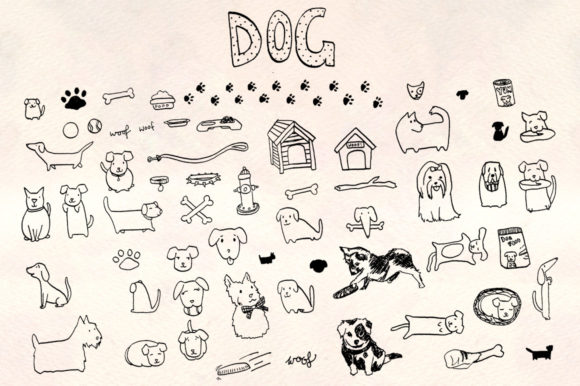
Dog is a graphic element kit designed to enhance creative projects with its hand-drawn, scalable, and versatile assets. This collection of 60 puppy design elements includes dogs, food bowls, toys, and more, making it an ideal resource for designers, marketers, and creators looking to add a playful yet professional touch to their work. Whether you're working on web-based designs or physical products like apparel, Dog offers a range of file formats and patterns that fit seamlessly into your workflow.
Understanding Dog and Its Role in the Creative Process
Dog is more than just a set of images; it's a tool that can be integrated at various stages of a project. From initial concept development to final implementation, this kit provides elements that can inspire, support, and elevate your creative output. By using Dog, you can streamline your design process and maintain consistency across different media and platforms.
For instance, during the brainstorming phase, Dog's hand-drawn elements can serve as visual references that spark new ideas. When moving into the execution phase, the vector files ensure that your designs remain sharp and scalable, regardless of the size or medium. Finally, during the presentation or delivery stage, the high-quality PNGs and PAT files allow for easy integration into client proposals, social media posts, or print materials.
How Dog Fits Into Different Workflows
Dog can be used before, during, or after a project, depending on your needs. Before starting a new design, you might use the kit to gather inspiration or establish a visual theme. During the design process, the elements can be incorporated directly into your layouts, helping to maintain a cohesive style. After completion, the files can be archived or repurposed for future projects, ensuring long-term usability.
For example, a small business owner creating a new line of pet-themed merchandise could use Dog's paw print patterns to develop a consistent branding strategy. Similarly, a marketer designing a campaign around pet care could leverage the dog illustrations to create engaging visuals for social media or email newsletters.
Integration with Other Tools and Resources
Dog works well with other design tools and resources, enhancing your overall workflow. The inclusion of EPS, AI, and PNG files ensures compatibility with popular design software such as Adobe Illustrator, Photoshop, and InDesign. This flexibility allows you to choose the format that best suits your project requirements and technical capabilities.
Additionally, the bonus repeating paw print pattern adds another layer of versatility to the kit. These patterns can be used as backgrounds, borders, or textures, providing a cohesive look across multiple design elements. The availability of 10 colors ensures that you can match the patterns to your existing color schemes or create new ones that align with your brand identity.
Practical Implementation Tips
To get the most out of Dog, consider the following tips for practical implementation:
- Organize Your Files: Create a dedicated folder for Dog's assets to keep your workspace tidy and improve accessibility.
- Use Vector Files for Scalability: When working on projects that require resizing, use the EPS or AI files to maintain image quality.
- Experiment with Patterns: Incorporate the paw print patterns into your designs to add texture and visual interest without overwhelming the composition.
- Test Compatibility: Ensure that the files work smoothly with your preferred design software by testing them before starting a major project.
- Repurpose Elements: Reuse the dog illustrations and patterns across different projects to maintain consistency and save time.
Workflow Examples and Use Cases
Here are a few examples of how Dog can be used in real-world scenarios:
- Web Design: Use the PNG files to create engaging website graphics, such as buttons, icons, or background elements. The hand-drawn style adds a unique and personal touch to digital interfaces.
- Apparel Design: Incorporate the dog illustrations into t-shirt designs, tote bags, or other wearable items. The scalable vector files ensure that the images remain clear and crisp at any size.
- Marketing Materials: Leverage the paw print patterns as background textures for brochures, flyers, or social media posts. The 10-color options allow for customization to match your brand's aesthetic.
- Educational Content: Teachers or educators can use the dog elements to create visually appealing lesson plans, presentations, or interactive learning materials that engage students.
- Personal Projects: Hobbyists and creatives can experiment with the kit to develop personal art pieces, greeting cards, or DIY crafts that reflect their unique style.
Factors to Consider for Long-Term Use
When integrating Dog into your workflow, consider factors such as preparation, usability, and long-term maintenance. Properly organizing your files and understanding the different formats will help you maximize the kit's potential. Additionally, keeping your design software up to date ensures compatibility and smooth performance.
Consistency is also key when using Dog across multiple projects. By maintaining a unified style and color scheme, you can create a cohesive visual identity that strengthens your brand or project. Regularly reviewing and updating your design assets will help you stay organized and efficient over time.
Conclusion
Dog is a valuable addition to any designer's toolkit, offering a wide range of hand-drawn elements that can be used in various creative workflows. Whether you're working on web-based projects, physical products, or marketing materials, the kit provides the flexibility and quality needed to achieve professional results. By understanding how to integrate Dog into your process, you can enhance your productivity, maintain consistency, and bring a unique touch to your work.