Landscape: A Strategic Tool for Creative and Professional Success
Landscape is more than just a visual element—it's a powerful tool that can shape how we approach design, communication, and strategic planning. Whether you're an entrepreneur, marketer, or creative professional, understanding the role of Landscape in your workflow can lead to better decisions, clearer outcomes, and more impactful results. This article explores how Landscape can be strategically useful across various industries and applications.
Understanding Landscape and Its Strategic Value
Landscape refers to the broader context or environment in which a project, idea, or initiative exists. In design, it often represents the visual composition that sets the tone for a piece. But beyond aesthetics, Landscape plays a crucial role in shaping strategy, positioning, and long-term success.
For professionals, Landscape is about identifying the right elements to include, the right balance to maintain, and the right direction to take. It involves considering the bigger picture—how a design, message, or product fits into the overall vision and goals of a business or project.
Strategic use of Landscape helps ensure that every decision aligns with the intended outcome. It allows creators and planners to make informed choices that support their objectives, whether that's building brand identity, improving user experience, or enhancing productivity.
How Landscape Supports Goal Achievement and Planning
When used thoughtfully, Landscape can be a valuable asset in achieving specific goals. For example, in branding, a well-structured Landscape ensures that all visual elements—logos, graphics, and layouts—work together cohesively. This consistency strengthens brand recognition and builds trust with audiences.
In web and graphic design, Landscape helps define the visual hierarchy and flow of information. A clear and intentional Landscape makes it easier for users to navigate content, understand messages, and engage with the material. This is especially important in digital marketing, where first impressions matter greatly.
For entrepreneurs and small business owners, Landscape can guide the development of products and services. By analyzing the market Landscape, they can identify gaps, opportunities, and trends that inform their strategies. This proactive approach leads to more effective decision-making and better long-term results.
Practical Applications of Landscape in Design and Communication
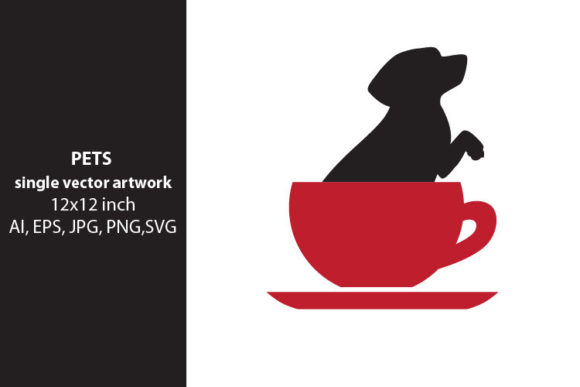
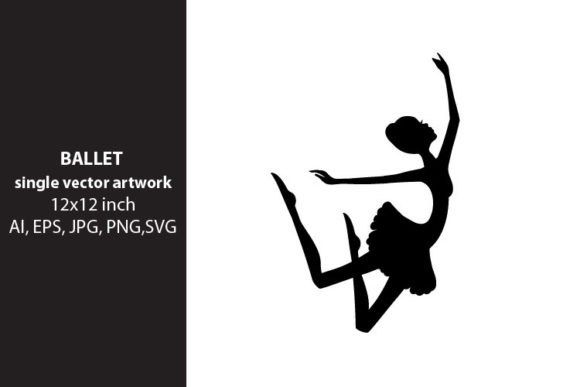
Landscape is widely used in digital and print media. From logos and wall art to stationery and invitations, a well-crafted Landscape ensures that designs are both visually appealing and functionally effective. For instance, a single vector artwork with a Landscape theme can serve as the foundation for multiple creative projects.
Consider a designer creating a set of invitation cards. By using a consistent Landscape theme, they can maintain a cohesive look across all designs while still allowing for individual creativity. This approach not only saves time but also enhances the overall quality of the work.
Similarly, in marketing campaigns, Landscape can help establish a unified visual identity. Whether it's a social media post, a brochure, or a website banner, a strong Landscape ensures that all materials reflect the same brand message and aesthetic.
When to Use Landscape and How to Approach It
The right time to use Landscape depends on the project's scope, goals, and audience. For example, when launching a new product, a well-defined Landscape can help position the offering effectively in the market. It allows businesses to communicate their value proposition clearly and stand out from competitors.
Before relying on Landscape, it's essential to consider several factors. First, define the purpose of the project. What message do you want to convey? Who is your target audience? What are the key elements that should be included?
Next, evaluate the existing Landscape. Are there any industry standards or trends that should be considered? How does your project fit into the broader context? These questions help ensure that your use of Landscape is intentional and aligned with your goals.
Finally, test and refine. Once a Landscape is established, gather feedback and make adjustments as needed. This iterative process ensures that the final result meets the desired objectives and resonates with the intended audience.
Planning Tips for Effective Use of Landscape
To make the most of Landscape, start with a clear plan. Define your objectives, identify key elements, and outline the steps needed to achieve your goals. This structured approach helps avoid confusion and ensures that every decision contributes to the overall vision.
Use tools like mood boards, sketches, and prototypes to visualize your Landscape. These resources help you experiment with different ideas and find the best solution for your project. They also provide a reference point for maintaining consistency throughout the design process.
Collaboration is another key factor. Involve team members, stakeholders, or clients in the planning phase to gain diverse perspectives. Their input can uncover new opportunities and help refine your approach.
Strategic Observations and Decision-Making Guidance
One of the most important aspects of using Landscape is making informed decisions. Instead of choosing elements randomly, focus on their purpose and impact. Ask yourself: Does this design choice support the goal? Will it resonate with the audience? Is it aligned with the brand's values?
Another observation is the importance of adaptability. While a strong Landscape provides direction, it should also allow for flexibility. As projects evolve, be open to adjusting the Landscape to meet new challenges or opportunities.
Lastly, remember that Landscape is not a one-size-fits-all solution. What works for one project may not work for another. Tailor your approach based on the specific needs and constraints of each situation.
Risks of Using Landscape Without Clear Goals or Context
Without a clear understanding of your goals, Landscape can become a source of confusion rather than clarity. Randomly selecting design elements or visual themes may lead to inconsistent messaging, poor user experience, or ineffective communication.
Additionally, failing to consider the broader context can result in missed opportunities. For example, a design that looks great in isolation may not perform well in a real-world setting. It's important to test and validate your Landscape before finalizing any work.
Over-reliance on Landscape without proper planning can also lead to wasted time and resources. Without a clear direction, efforts may be misdirected, resulting in suboptimal outcomes.
Intentional Use of Landscape for Long-Term Value
By using Landscape intentionally, you can create lasting value for your projects and business. This means focusing on quality over quantity, purpose over trend, and depth over superficiality.
Invest time in understanding your audience, refining your message, and aligning your visuals with your goals. This thoughtful approach not only improves the effectiveness of your work but also builds a stronger connection with your audience.
Ultimately, Landscape is a powerful tool when used with intention and strategy. Whether you're designing a logo, planning a marketing campaign, or developing a product, a well-considered Landscape can make all the difference in achieving your desired outcomes.